
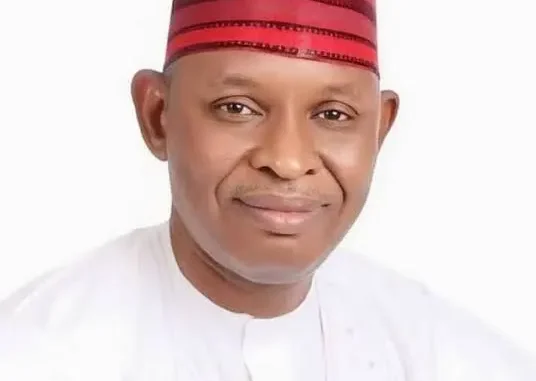
In an audacious attempt to stir the already uneasy pot in the politics of the state of Kano, a new group, “I STAND WITH ABBA,” recently launched to support the state governor, Abba Kabir Yusuf, who is popularly known by the nickname “Abba Gida-gida.”
This new group launched yesterday under the leadership of the deputy commissioner for works in the state of Kano, Honorable Nazar Aminu Ado, with the aim of demonstrating the much-needed support for the governor despite the criticisms he draws.
The most populous state in Nigeria, Kano, has been a hotspot of politics since Yusuf took office as the newest governor of the state. Yusuf, of the New Nigeria Peoples Party, has had to face a barrage of election petitions mainly by rival candidates in the All Progressives Congress, including popular past governor of the state, Abdullahi Ganduje. Last year, things came to a head, culminating in a demonstration, election petitions, even a Supreme Court saga that finally validated Yusuf’s election victory. Welcome yet another group drawing lines in the sand, separating those who are team Abba and team Kwankwaso.
However, the group’s emergence has coincided with growing tensions among political actors, particularly around perceived loyalty to the sitting governor. Some party stakeholders have interpreted the development as a subtle challenge to existing political hierarchies, while others argue it reflects healthy internal dynamics and democratic expression.
Kano politics has entered a high-voltage phase. The All Progressives Congress (APC) rolling out the red carpet for Governor Abba Kabir Yusuf after his defection from the NNPP alongside 22 state lawmakers signals more than a routine party switch. It marks a recalibration of power, loyalty, and political survival in Nigeria’s most influential northern state.
For NNPP, the optics are brutal. Losing a governor and lawmakers lessens credibility and raises existential questions. Can the party still claim relevance in Kano without the structures that delivered victory? Or was its success always contingent on personalities rather than institutions?
Then there’s the Kwankwasiyya factor. Reports that aligned groups are setting conditions before dumping NNPP suggest internal negotiations are underway. This isn’t blind loyalty; it’s transactional politics. The message is clear: ideology matters, but access, influence, and continuity matter more. If guarantees aren’t met, allegiance will shift.
For the average Kano citizen, the concern is less about party logos and more about outcomes. Will this reshuffle translate to better governance, stability, and service delivery? Or will it deepen political loyalty, reinforcing the belief that politics is an elite chess game disconnected from everyday realities?
Kano is witnessing a political gravity shift. APC is capitalizing on the moment, NNPP is on the defensive, and Kwankwasiyya loyalists are weighing their options with cold pragmatism. The real test isn’t who defects next but whether this consolidation delivers tangible dividends for the people. In politics, as in business, mergers only matter if they create value.