
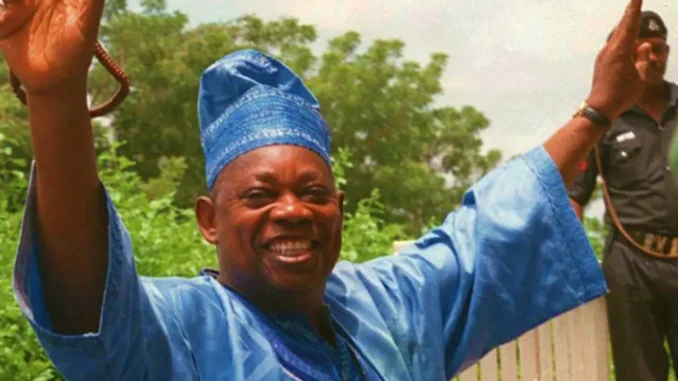
June 12, 1993, stands as one of the most defining dates in Nigeria’s democratic history. For many Nigerians, it represents more than a contested election; it symbolises the struggle for democratic rights, the resilience of the people, and the sacrifices made to end military dictatorship. The day is forever associated with the late Chief Moshood Kashimawo Olawale Abiola (MKO), who was widely believed to have won the presidential election that was unjustly annulled by the military government.
Despite the passage of time, the events of that day continue to shape political discourse and democratic values in the country. As Nigerians mark Democracy Day in 2025, Verity News highlights eight important facts that everyone should know about June 12 and its lasting impact on the nation’s journey toward democracy.
1. A Date That Changed Nigeria’s Political History
June 12, 1993, marked a turning point in Nigeria’s democratic evolution. It was the day of what is widely considered the most credible presidential election in the country’s history, an election that would later be annulled, igniting national outrage and resistance.
2. MKO Abiola and the Social Democratic Party (SDP)
Although the National Electoral Commission (NEC) never officially announced the winner, independent tallies showed that MKO Abiola of the Social Democratic Party (SDP) had clearly defeated his opponent, Bashir Tofa of the National Republican Convention (NRC). Abiola’s campaign was built on unity, hope, and a promise to end poverty.
3. The Freest and Fairest Election in Nigerian History
Observers and citizens widely hailed the June 12 election as the most transparent and peaceful in Nigeria’s history. It cut across religious, ethnic, and regional divides, creating a rare moment of national unity and democratic optimism.
4. The Shocking Annulment by the Military
Despite the clear mandate, the election was annulled by then-military ruler General Ibrahim Babangida, citing vague and unsubstantiated “irregularities.” This unilateral decision, made without judicial backing, plunged the country into political turmoil. In a rare admission during his autobiography launch in February 2025, Babangida expressed regret over his role in the annulment.
5. National Protests and Brutal Repression
The annulment triggered widespread protests, particularly in the southwest region—Abiola’s political base. The military responded with violence. Hundreds of demonstrators were killed, and Abiola himself was arrested in 1994 after declaring himself president. He later died under suspicious circumstances while in custody in 1998.
6. A Symbol of the Struggle for Democracy
June 12 became a rallying cry for pro-democracy movements. Civil society groups, student unions, and labour organisations galvanized around the date to push for an end to military rule. Their resistance helped pave the way for the return to civilian governance in 1999.
7. Official Recognition as Democracy Day
In 2018, then-President Muhammadu Buhari declared June 12 as Nigeria’s official Democracy Day, replacing the previous May 29 observance. The move was a formal recognition of MKO Abiola’s sacrifice and the democratic significance of the 1993 election.
8. A Legacy Still Debated
Decades later, the legacy of June 12 continues to stir public debate. While some urge the nation to look forward, others demand justice and closure for those who lost their lives and livelihoods. The date remains a powerful symbol of Nigeria’s ongoing struggle to strengthen democratic institutions and protect the will of the people.